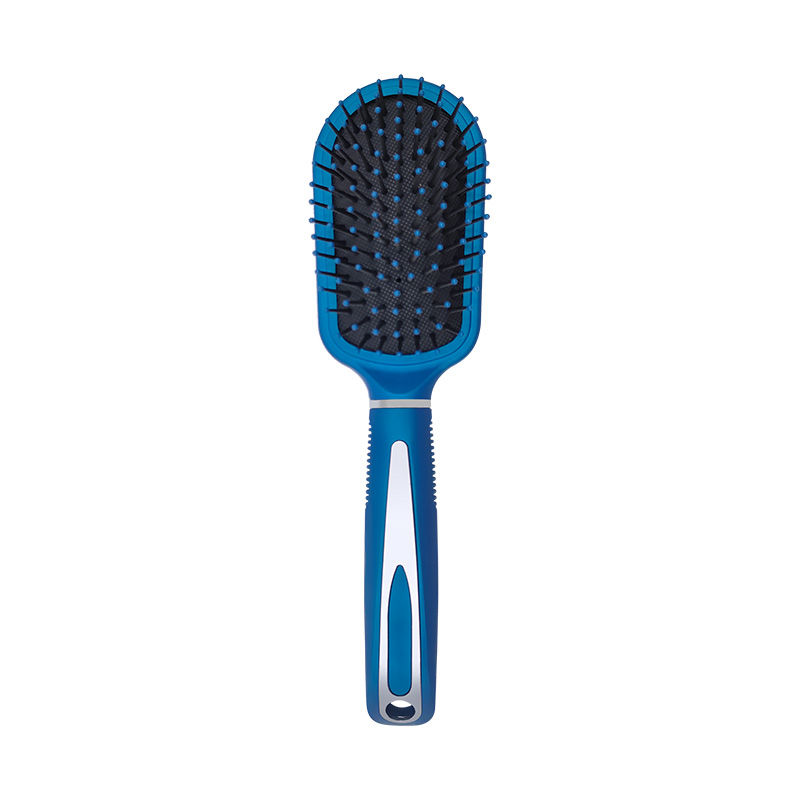
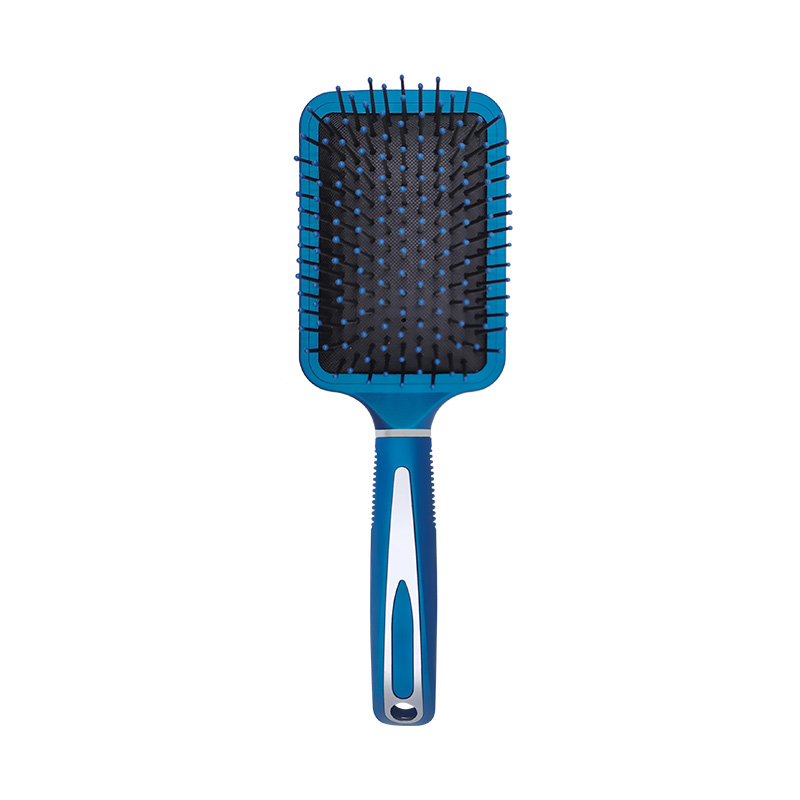
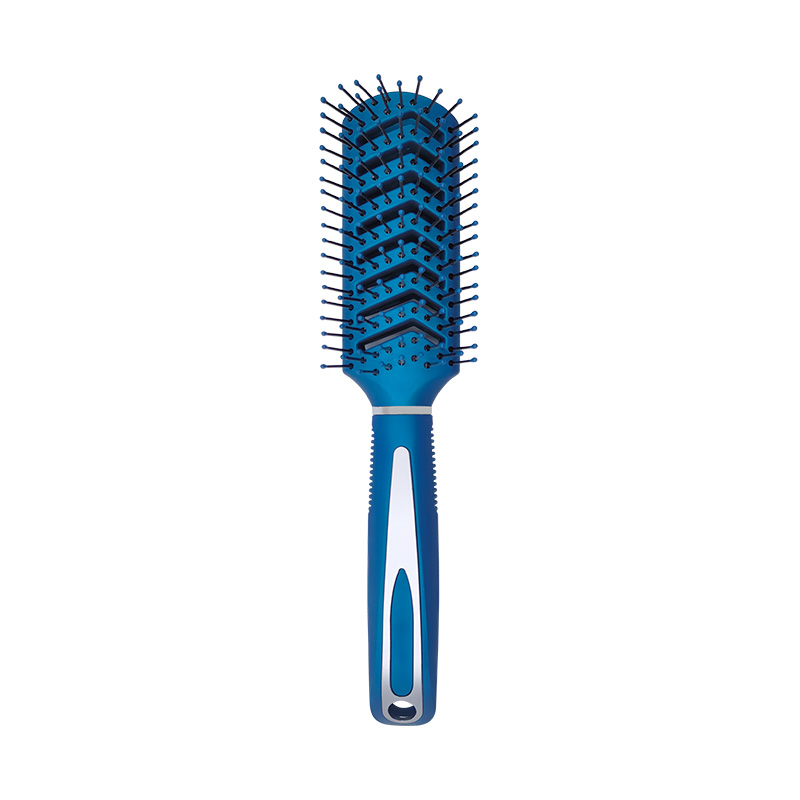
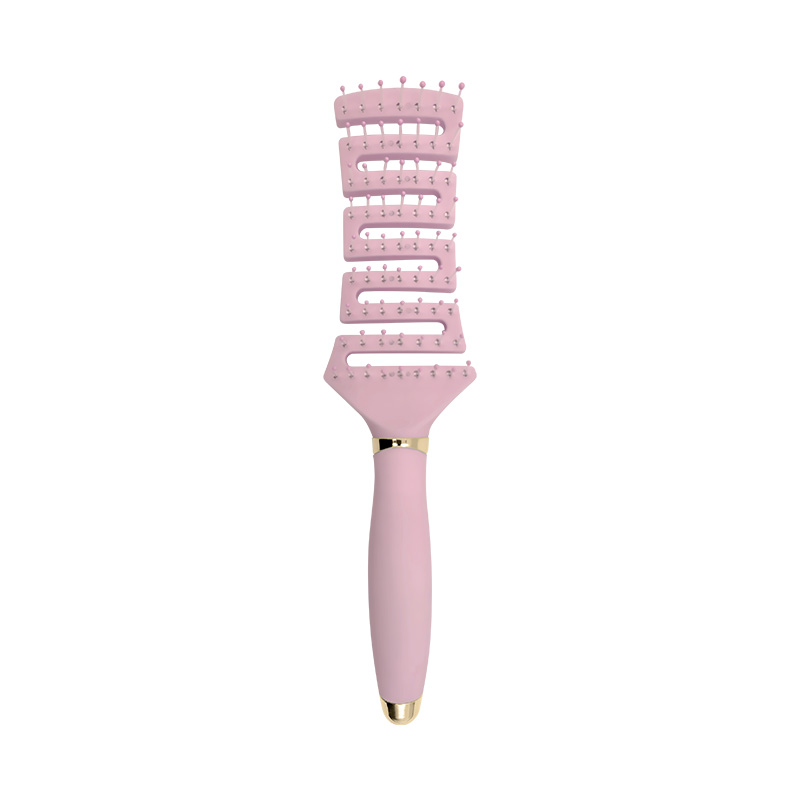
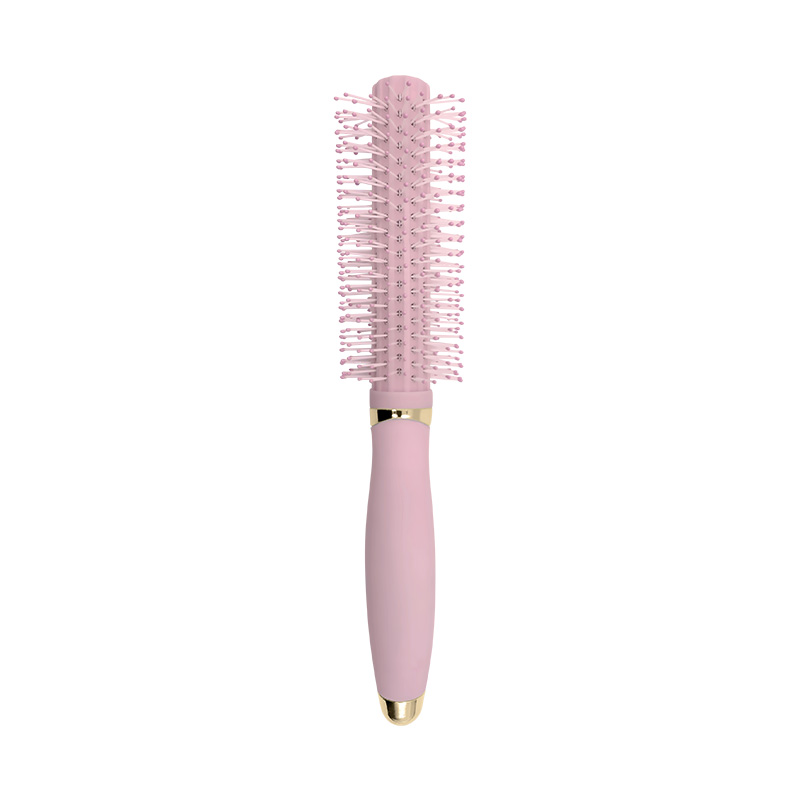
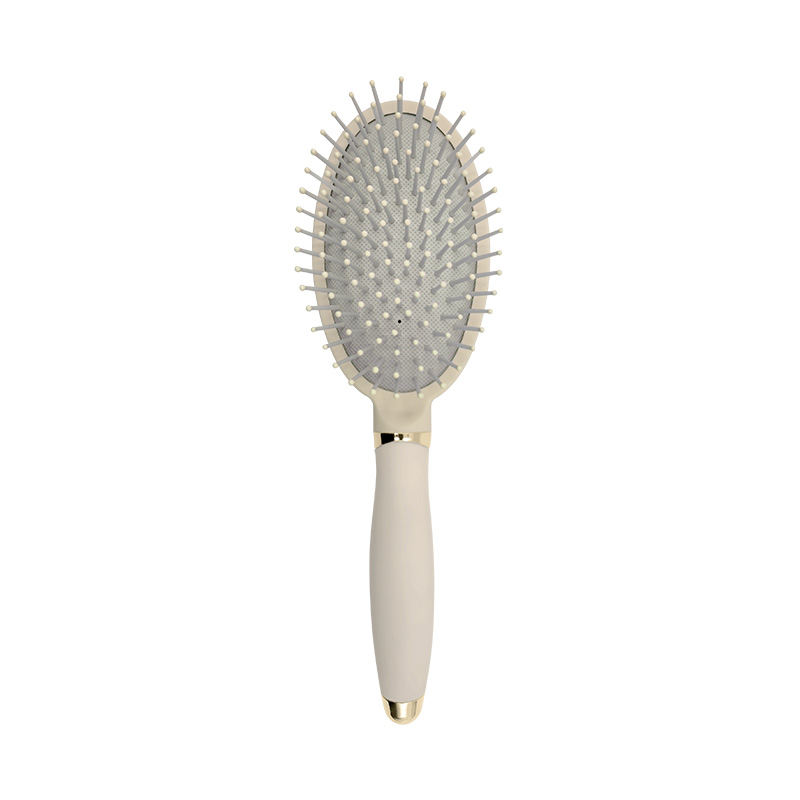
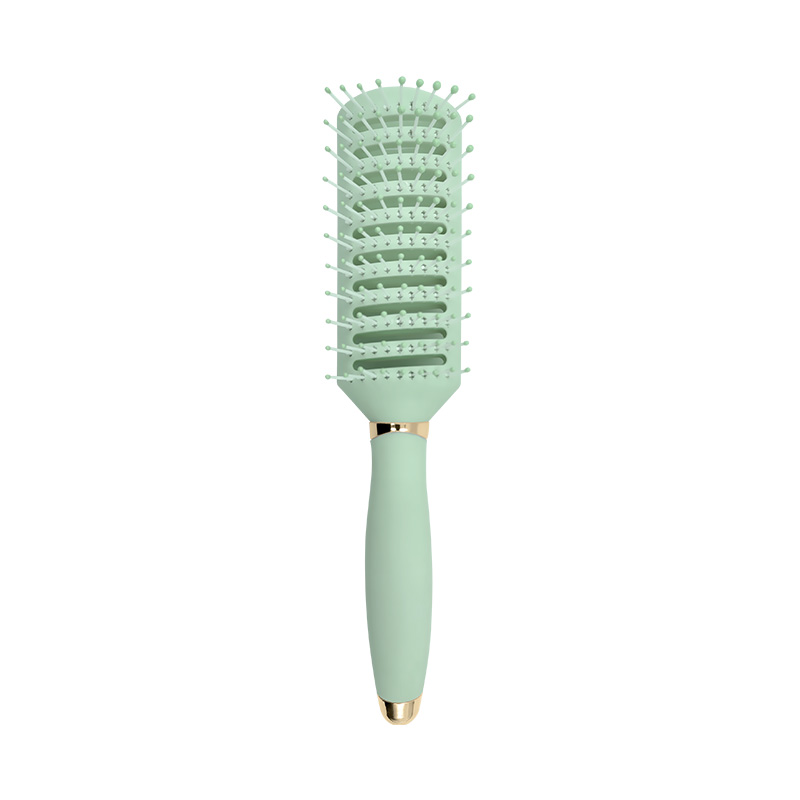
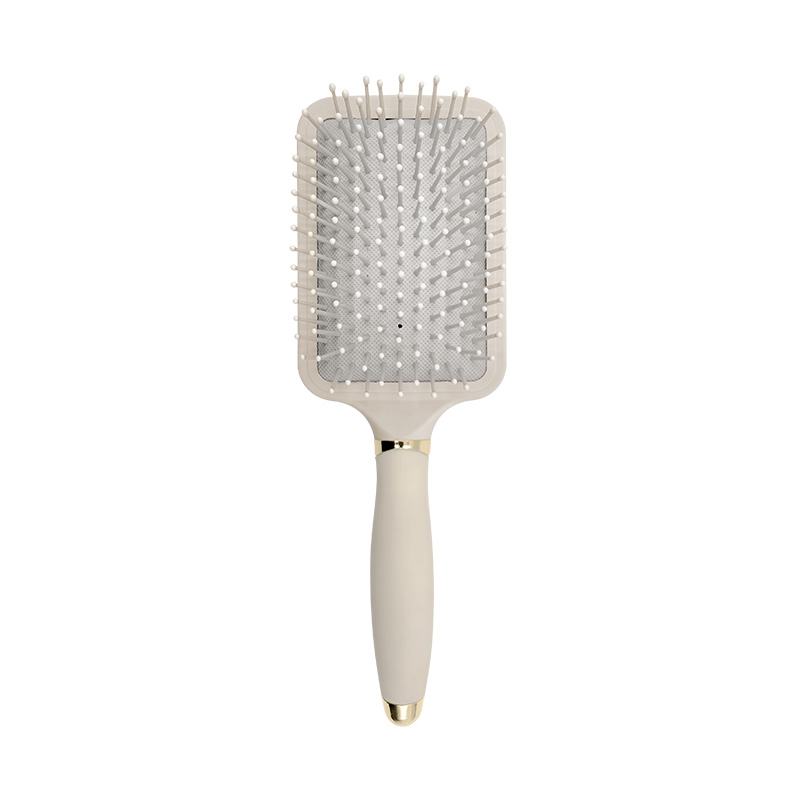
Die beste Haarbürste für Ihr Haar hängt von Ihrem Haartyp und Ihrem Stylingziel ab. Paddelbürsten eignen sich für glattes oder dickes Haar, Rundbürsten eignen sich am besten für Föhnfrisuren und Volumen und Wildschweinborstenbürsten sind ideal für feines oder coloriertes Haar. Die Wahl der falschen Bürste führt zu Haarbruch, Kräuselungen und Schäden an der Kopfhaut – die Wahl der richtigen Bürste verändert innerhalb weniger Wochen sowohl die Gesundheit als auch das Aussehen Ihres Haares.
Dieser Leitfaden basiert auf Herstellungsstandards eines Fachmanns Haarbürstenfabrik Perspektive, schlüsselt jeden Bürstentyp, jedes Borstenmaterial und jede haarspezifische Empfehlung auf, damit Sie eine sichere und fundierte Entscheidung treffen können.
Warum die richtige Haarbürste wichtiger ist, als Sie denken
Viele Menschen unterschätzen, wie stark sich eine Haarbürste auf die Haargesundheit auswirkt. Laut professionellen Stylisten Über 60 % der mechanischen Haarschäden sind auf unsachgemäße Bürstenwerkzeuge zurückzuführen – keine chemischen Behandlungen oder Hitze. Eine schlecht abgestimmte Bürste kann zu Spliss, übermäßigem Haarausfall, Reizungen der Kopfhaut und dem Verlust des natürlichen Glanzes führen.
Aus der Sicht einer Haarbürstenfabrik werden Bürsten mit einer bestimmten Borstendichte, Polsterfestigkeit und einem Basisdurchmesser entwickelt, die auf die Haarstruktur und den Verwendungszweck abgestimmt sind. Das Verständnis dieser Variablen hilft Ihnen bei der Auswahl wie ein Profi.
Die wichtigsten Haarbürstentypen und ihre Wirkungsweise
Jeder Pinseltyp dient einem bestimmten Zweck. Die Verwendung einer Entwirrungsbürste zum Hitzestyling führt beispielsweise zu schlechten Ergebnissen und kann zu Schäden führen. Hier eine übersichtliche Aufschlüsselung:
| Pinseltyp | Primäre Funktion | Am besten für |
|---|---|---|
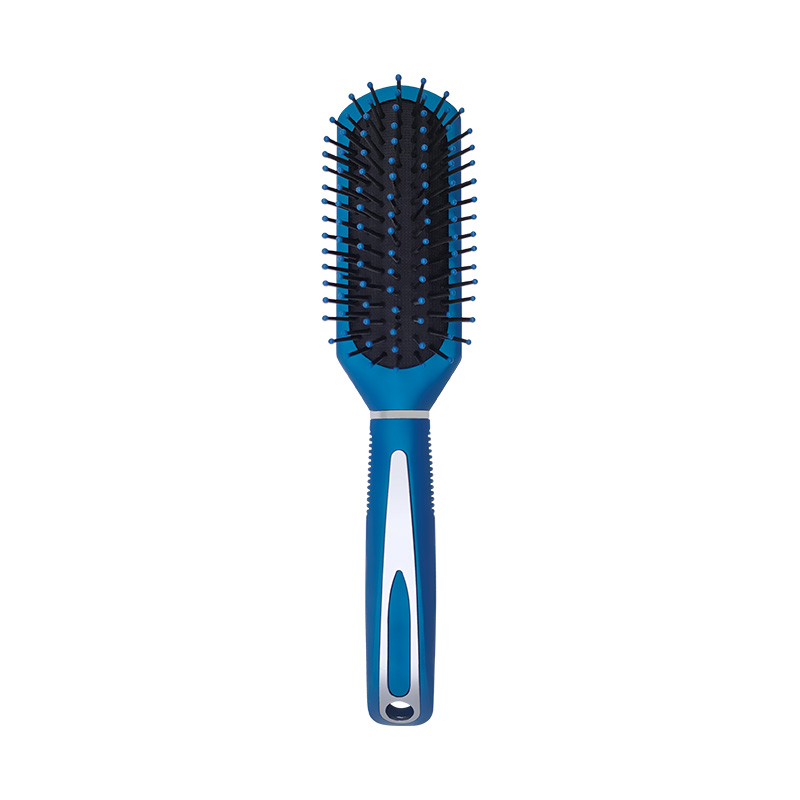
| Paddelbürste | Entwirren, glätten, glätten | Langes, dickes, glattes Haar |
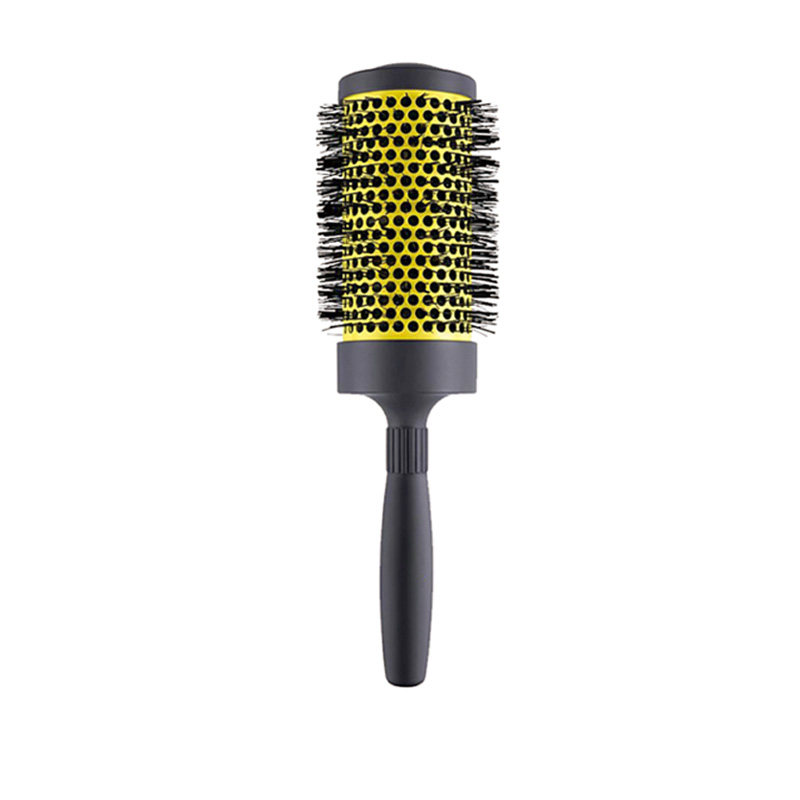
| Rundbürste | Blowouts, Locken, Wurzellift | Alle Arten beim Hitzestyling |
| Wildschweinborstenbürste | Öle verteilen, Glanz verleihen | Feines, normales, coloriertes Haar |
| Entwirrungsbürste | Sanfte Knotenentfernung | Lockiges, lockiges, nasses Haar |
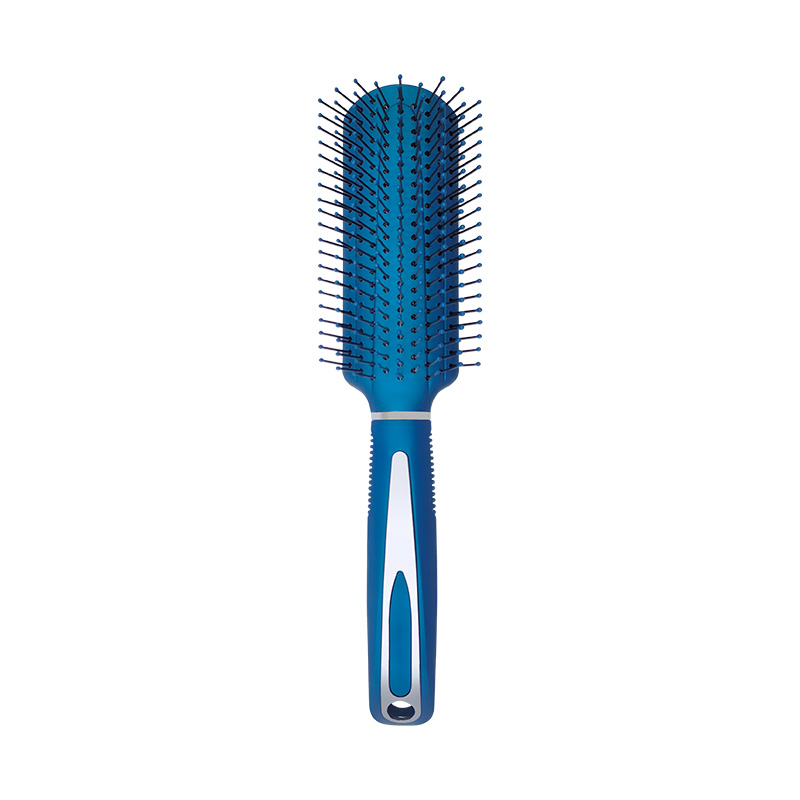
| Entlüftungsbürste | Schnell trocknend, tägliches Bürsten | Mitteldickes, gestuftes Haar |
| Neckender Pinsel | Für mehr Volumen und Textur am Ansatz | Feines, schlaffes oder dünnes Haar |
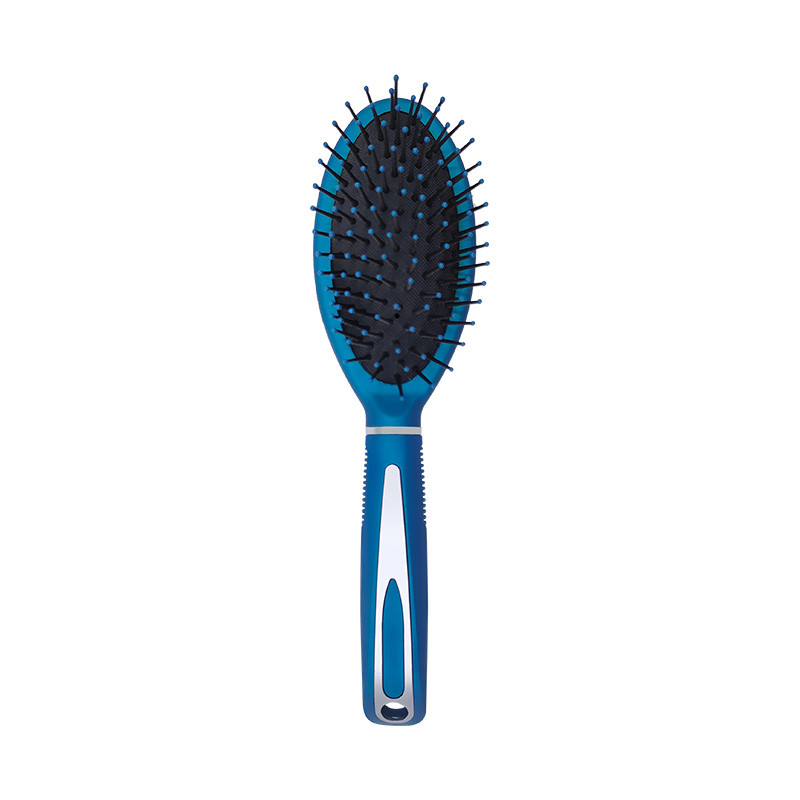
| Kissenbürste | Tägliche Glättung und Pflege der Kopfhaut | Empfindliche Kopfhaut, allgemeine Anwendung |
Beste Haarbürste nach Haartyp: Spezifische Empfehlungen
Feines oder dünnes Haar
Feines Haar bricht schnell und verliert schnell an Volumen. Eine Bürste aus 100 % Wildschweinborsten ist die beste Empfehlung — Seine weichen, dicht gepackten Borsten gleiten durch die Strähnen, ohne zu ziehen, und verteilen gleichzeitig das Kopfhautöl vom Ansatz bis in die Spitzen für natürlichen Glanz. Vermeiden Sie vollständig steife Nylonborsten, da diese bei feinem Haar zu statischer Aufladung und Haarbruch führen.
Für Styling-Volumen sorgt eine kleine Rundbürste (25–38 mm Durchmesser) in Kombination mit einem Fön für mehr Schwung am Ansatz, ohne die Strähnen zu beschweren.
Dickes oder grobes Haar
Dickes Haar benötigt festere Borsten, um in die Haarmasse einzudringen. Eine Paddelbürste mit gemischten Wildschwein- und Nylonborsten ist am leistungsstärksten für diesen Typ. Die Nylonstifte entwirren, während Wildschweinborsten die Nagelhaut glätten. Paddelbürsten mit gepolsterter Basis (pneumatisches Kissen) sind besonders effektiv – das Kissen passt sich der Kopfhautkontur an und reduziert die Zugkraft im Vergleich zu Bürsten mit starrer Basis um bis zu 30 %.
Lockiges oder lockiges Haar (Typen 3A–4C)
Lockiges Haar ist aufgrund seiner ungleichmäßigen Proteinverteilung entlang jeder Locke die empfindlichste Struktur. Bürsten Sie lockiges Haar niemals im trockenen Zustand – Es zerstört das Lockenmuster und verursacht extremes Frizz. Das richtige Werkzeug ist eine Entwirrungsbürste mit breiten Zähnen oder ein flexibler Paddel-Entwirrer, der nur für nasses, gepflegtes Haar verwendet wird.
Für engere Spulen (4A–4C) ist die Denman-Bürste mit flexiblen, gummierten Nylonstiften ein langjähriger professioneller Standard. Es unterteilt und definiert Locken, ohne sie zu zerstören.
Farbbehandeltes oder chemisch behandeltes Haar
Durch chemische Prozesse wird die Schuppenschicht geschädigt, wodurch das Haar porös und bruchanfällig wird. Eine Bürste mit weichen Wildschweinborsten und einem pneumatischen Kissenboden ist unerlässlich für diesen Haartyp. Es minimiert die mechanische Belastung, während die Naturborsten dabei helfen, die beschädigte Nagelhaut zu versiegeln und so die Farbbrillanz länger zu bewahren. Vermeiden Sie vollständig Metallstiftbürsten – sie verhaken und reißen geschwächte Strähnen.
Nasses Haar
Haare sind bis zu 3× schwächer bei Nässe aufgrund der Zerstörung von Wasserstoffbrückenbindungen im Kortex. Für gesättigtes Haar sollten nur breitzinkige Kämme oder speziell angefertigte Nass-Entwirrungsbürsten – beispielsweise solche mit flexiblen, weit auseinander liegenden Stiften – verwendet werden. Nassbürsten mit SofTips-Technologie (kugelbestückte, ultraflexible Stifte) sind für diesen Anwendungsfall ein gängiges Werksstandarddesign.
Erklärte Borstenmaterialien: Was Haarbürstenfabriken tatsächlich verwenden
Der Borstentyp ist die technisch wichtigste Variable bei der Haarbürstenherstellung. Wenn Sie das Material verstehen, können Sie Produktetiketten genau entschlüsseln.
- 100 % Wildschweinborsten: Diese Borsten stammen von Wild- oder Zuchtschweinen und ähneln strukturell dem menschlichen Haar (beide bestehen aus Keratin). Sie sind sanft, flexibel und ideal für feines oder normales Haar. Eine Qualitätshaarbürstenfabrik sortiert Wildschweinborsten vom 1. bis zum 3. Schnitt – der 1. Schnitt ist der feinste und teuerste.
- Gemischtes Wildschwein und Nylon: Nylonstifte (typischerweise 0,6–1,0 mm Durchmesser) sind zwischen den Wildschweinbüscheln verteilt. Diese Kombination sorgt für Entwirrungskraft und Ölverteilung – die erste Wahl für mittelstarkes bis dickes Haar.
- Nur Nylonborsten: Langlebig, hitzebeständig und leicht zu reinigen. Wird häufig bei Stylingbürsten verwendet, die mit Föhnen verwendet werden. Nylon mit Kugelspitze reduziert das Kratzen der Kopfhaut. Am besten für normales bis dickes Haar; zu steif für feines oder brüchiges Haar.
- Metallstifte (ioneninfundiert): Zu finden in belüfteten Bürsten oder Thermobürsten. Leiten Sie die Wärme gleichmäßig ab, um das Trocknen zu beschleunigen. Nur für dickes Haar geeignet; Bei feinem oder geschädigtem Haar besteht die Gefahr des Ausreißens.
- Synthetische vegane Borsten: Pflanzliche oder synthetische Faseralternativen zu Wildschwein, deren Qualität mit der Verbesserung der Herstellungstechnologie zunimmt. Eine wachsende Kategorie von Premium-Haarbürstenfabriklinien, die auf Märkte ohne Tierversuche abzielen.
Wie sich die Größe des Rundbürstenschafts auf Ihren Stil auswirkt
Rundpinsel sind das größenempfindlichste Werkzeug in jeder Pinselsammlung. Der Zylinderdurchmesser bestimmt die Größe und Festigkeit der Locken oder Wellen, die beim Blowout-Styling entstehen.
- 20–25 mm (klein): Enge Locken und Locken. Ideal für kurzes Haar oder präzises Styling im Gesicht.
- 32–38 mm (Mittel): Sanfte Wellen und definierte Locken. Die vielseitigste Größe, geeignet für schulterlanges Haar.
- 44–55 mm (groß): Glatte, voluminöse Ausbuchtungen mit subtilen Biegungen. Am besten für mittellanges bis langes Haar geeignet, das Fülle ohne starke Locken sucht.
- 63 mm (extragroß): Maximales Volumen und Glättungseffekt. Bevorzugt für langes, dickes Haar bei professionellen Blowout-Diensten.
Rundbürsten mit Keramikzylinder speichern die Wärme besser als Metall- oder Holzfässer und verkürzen in kontrollierten Tests die gesamte Föhnzeit um etwa 20 % – eine Schlüsselspezifikation, die in Herstellerkatalogen für professionelle Haarbürsten hervorgehoben wird.
Worauf Sie beim Kauf bei einer Haarbürstenfabrik oder einem Lieferanten achten sollten
Unabhängig davon, ob Sie im Einzelhandel einkaufen oder im Großhandel eine Haarbürstenfabrik beziehen, sind dies die Qualitätsmerkmale auf Produktionsebene, die es wert sind, überprüft zu werden:
- Borstenverankerungsmethode: Handgebundene oder maschinell geknüpfte Borstenbüschel in gebohrten Löchern übertreffen geklebte Borstenbüschel – geklebte Borsten verlieren bei regelmäßiger Anwendung bis zu 5-mal schneller.
- Kissenqualität: Ein pneumatisches Gummikissen sollte sich sanft zusammendrücken und sofort wieder in Form bringen. Ein billiges Schaumstoffkissen kollabiert mit der Zeit und verliert seine schützende Flexibilität.
- Griffergonomie: Rutschfeste Gummigriffe und eine ausgewogene Gewichtsverteilung reduzieren die Ermüdung der Hände bei längeren Styling-Sitzungen. Professionelle Pinsel wiegen normalerweise zwischen 90 und 150 g.
- Trommelbeschichtung (Rundbürsten): Achten Sie auf Turmalin- oder Keramikbeschichtungen anstelle von blankem Metall – sie geben negative Ionen ab, die statische Aufladung und Frizz beim Hitzestyling reduzieren.
- Zertifizierungen: Renommierte Haarbürstenfabriken sorgen für REACH-Konformität (EU-Chemikalienstandard), die Tierversuchsfreiheitszertifizierung für Wildschweinborsten und die ISO 9001-Qualitätsmanagementzertifizierung für konsistente Produktionsstandards.
So reinigen und pflegen Sie Ihre Haarbürste richtig
Selbst die hochwertigste Bürste ist leistungsschwach, wenn sie durch Haarausfall, Produktreste und Hautzellen verstopft ist. Bei täglicher Anwendung sollten die Bürsten alle 1–2 Wochen gereinigt werden . Verschmutzte Borsten verteilen Öle und Rückstände zurück auf das saubere Haar, wodurch jeglicher Stylingvorteil zunichte gemacht wird.
Grundlegender Reinigungsprozess
- Entfernen Sie eingeklemmte Haare mit einem Kamm oder dem Ende eines Rattail-Kamms und arbeiten Sie dabei von der Mitte nach außen.
- Füllen Sie eine Schüssel mit lauwarmem Wasser und 2–3 Tropfen klärendem Shampoo oder milder Spülmittel.
- Schwenken Sie die Bürste 30–60 Sekunden lang mit der Borstenseite nach unten. Tauchen Sie Holzgriffe oder Polsterunterteile nicht in Wasser ein – eine längere Einwirkung von Wasser verformt das Holz und zersetzt das Gummi.
- Unter fließendem kaltem Wasser abspülen und überschüssige Feuchtigkeit abschütteln.
- Mit der Borstenseite nach unten auf ein sauberes Handtuch legen und vor dem Gebrauch vollständig an der Luft trocknen lassen – normalerweise 2–4 Stunden.
Wildschweinborstenbürsten erfordern eine schonendere Reinigung als Nylonbürsten. Scharfe Reinigungsmittel entziehen den Wildschweinborsten die natürlichen Öle, wodurch sie mit der Zeit spröde und weniger wirksam werden. Ersetzen Sie jede Bürste, deren Borsten abgespreizt, gebrochen oder ungleichmäßig abgenutzt sind – eine beschädigte Bürste verursacht mehr Schaden als Nutzen.
Kurzanleitung: Passenden Haartyp zur richtigen Bürste
| Haartyp | Bester Pinselstil | Empfohlene Borste | Vermeiden |
|---|---|---|---|
| Fein / Dünn | Wildschweinborstenbürste, kleine Rundbürste | 100 % Wildschwein | Steifes Nylon, Metallstifte |
| Dick / Grob | Kissenpaddelbürste | Gemischtes Wildschweinnylon | Nur weicher Eber (ungenügende Durchdringung) |
| Lockig / Lockig | Breite Entwirrungsbürste, Denman-Bürste | Flexible Nylonstifte | Trockenbürsten, Paddelbürsten |
| Farbbehandelt | Weiche Kissenbürste mit Wildschweinborsten | 100 % oder gemischtes Wildschwein | Metallstifte, steifes Nylon |
| Nasses Haar | Nasse Entwirrungsbürste | Ultraflexibles Nylon mit Kugelspitze | Alle Bürsten mit starren Stiften |
| Normal / Mittel | Kissenbürste oder Entlüftungsbürste | Gemischtes Wildschweinnylon | Keine größeren Einschränkungen |